

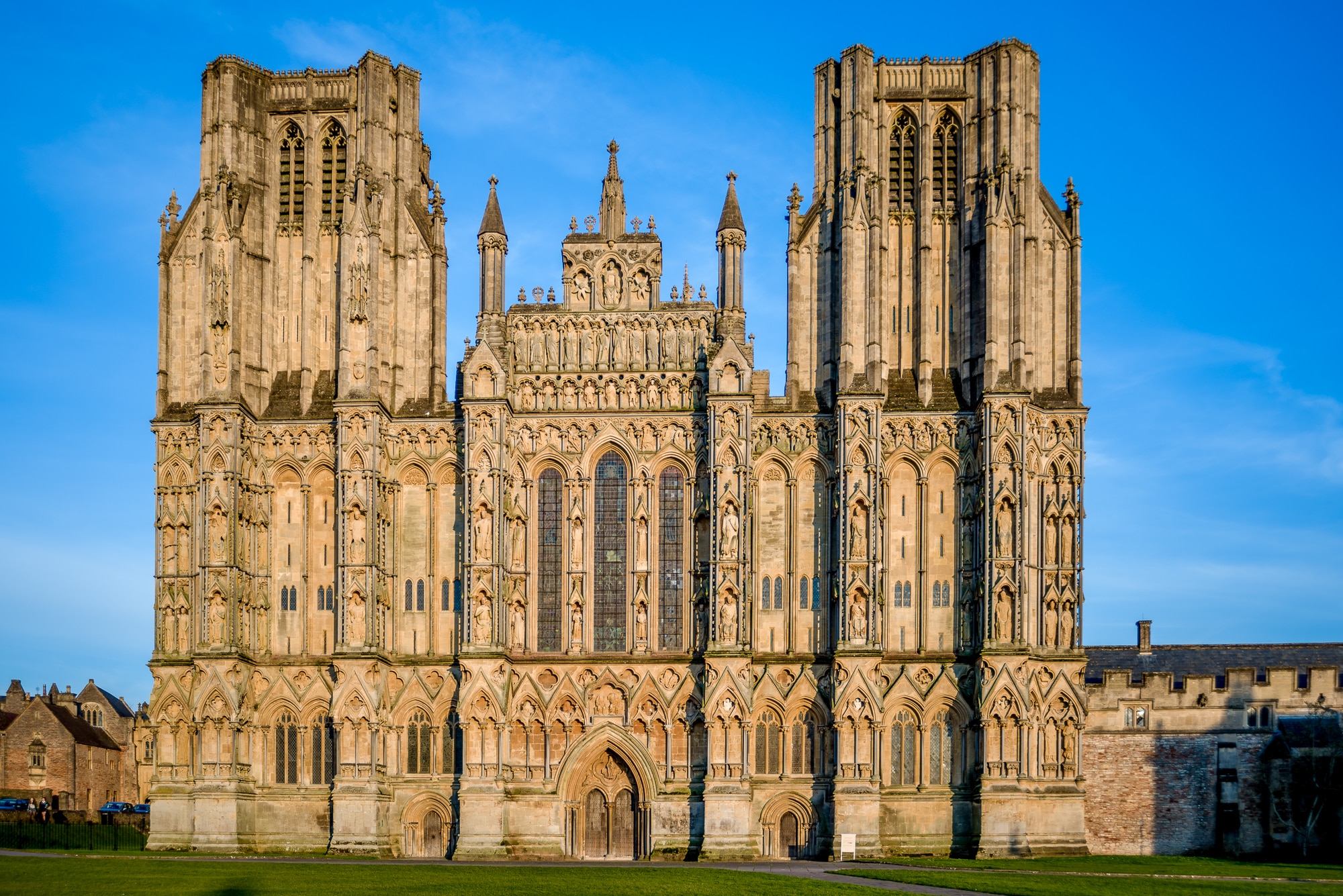
The unit begins by examining the concepts of freedom, ownership and human dignity, inviting pupils to consider the question: Can a person ever be treated as property?
Pupils then investigate the lives and actions of Reverend Pinder and Bishop Law, exploring how world view, historical context, time, place and perspective can influence people’s beliefs and decisions. The unit examines key biblical texts and considers how Christians interpret and apply these teachings in their lives. It also explores how some enslaved people drew on Christian beliefs and messages of hope, justice and liberation to challenge oppression and resist injustice.
Finally, pupils consider the meaning of social justice and reflect on how difficult and painful legacies from the past can be remembered. The unit concludes by exploring how Wells Cathedral is engaging in repentance, reconciliation and education in response to its historical connections with transatlantic slavery.
This unit is aimed at year 6 pupils and is taught over twelve lessons as part of the Somerset Agreed Syllabus for Religious Education. To download the teacher booklet and accompanying lesson plans and resources please visit the Religious Education and SACRE website.